CMST · Ocean Explorer
Ocean Explorer
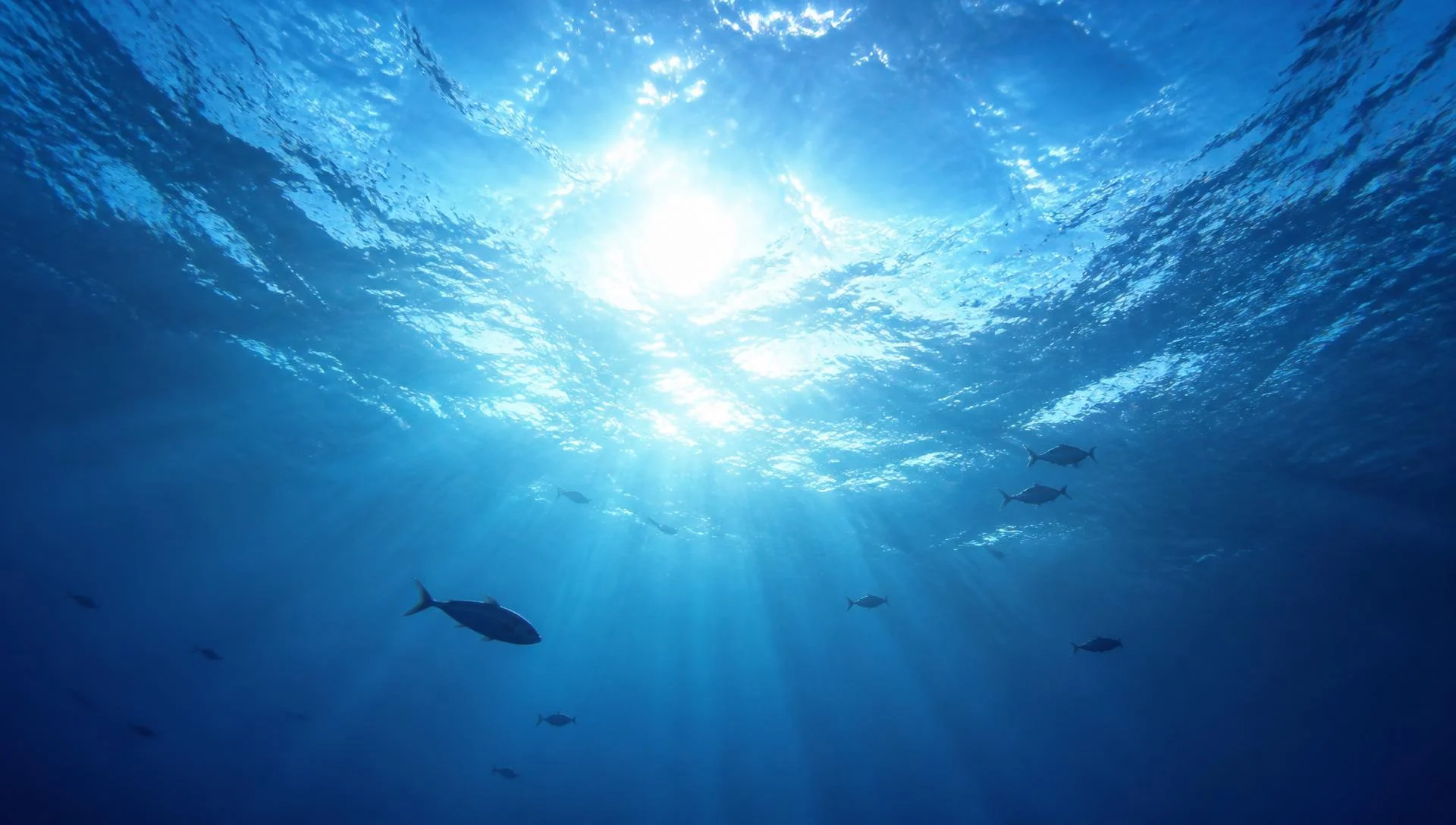
Ocean Explorer bridges academic curricula and real-world marine challenges, guiding students through coastal habitats, data-driven case studies, and the rigorous scientific methods needed to protect our oceans.
Ocean Explorer Scientific Initiative
Centre for Marine Science and Technology (CMST)
The Philosophy
From abstract theory to tangible ocean solutions
Marine problems cannot be resolved solely inside lecture halls. Ocean Explorer immerses students in authentic coastal environments, real-time datasets, and cross-disciplinary scientific methods.
We connect foundational biological and chemical principles to active environmental controversies, empowering learners to critically examine ecological impact assessments and maritime conservation policies.
Documented Case Studies
In-depth reviews of Sri Lankan coral bleaching events, ship-source chemical spills, and coastal mangrove restoration efficacy.
Thesis & Project Support
Direct guidance and scientific verification for undergraduate research papers, independent surveys, and university assignments.
Collaborate on University Modules?
We co-design field workshops and guest lectures for faculties of science and marine studies.
What it involves
Four pillars of the Ocean Explorer framework
Structured to challenge students, build technical mastery, and cultivate evidence-driven conservation leadership.
Applied Case Studies
Bridging academic theory and field reality
Students investigate documented Sri Lankan marine challenges, from reef bleaching and coastal erosion to microplastic dispersion and artisanal fisheries management.
Scientific Inquiry
Rigorous research methods & data analysis
Deploying standard oceanographic sampling techniques, water quality assays, statistical species counts, and scientific reporting for assignments and thesis projects.
Ecosystem Policy & Law
Connecting science to real-world regulation
Understanding the regulatory framework, environmental laws, and international marine conventions that govern Sri Lanka's Exclusive Economic Zone.
Virtual Dive & Tech
Next-generation digital oceanography
Leveraging immersive media, underwater photogrammetry, remote sensing, and 3D spatial mapping to explore marine environments beyond physical diving depths.
Curriculum & Deep Dives
Advanced research modules
In-depth thematic modules crafted for senior high-school science streams and university departments of zoology, aquatic science, and environmental management.
Coral Reef Resilience & Restoration Case Studies
Detailed investigation into coral bleaching thresholds, thermal stress indicators, and community-led artificial substrate restoration initiatives.
Core Methodologies & Outcomes:
- In-situ quadrat transects
- Photogrammetry & coral mapping
- Thermal anomaly data
Coastal Oceanography & Water Quality Assays
Multi-parameter oceanographic testing covering dissolved oxygen, nutrient influx, salinity gradients, and anthropogenic runoff impacts.
Core Methodologies & Outcomes:
- Spectrophotometry basics
- Estuarine mixing zones
- Pollution vector mapping
Marine Spatial Planning & Resource Governance
Analyzing maritime boundary disputes, port development environmental impact assessments (EIAs), and sustainable fisheries quotas.
Core Methodologies & Outcomes:
- GIS marine mapping
- EIA critical reviews
- Fisheries policy analysis
Next-Gen Oceanography & Virtual Dives
Immersive simulated explorations of deep-sea trenches, pelagic migration routes, and vulnerable sub-surface ecosystems.
Core Methodologies & Outcomes:
- 3D Bathymetric models
- Underwater acoustic telemetry
- VR species identification
Academic Pathways
Built for more than one classroom
Customized learning engagements that scale from high school science excellence to undergraduate research rigor.
Secondary & A-Level Students
Advanced Science StreamsEnrichment programmes and field modules designed to support A-Level Biology, Chemistry, and Environmental Science syllabi with practical marine fieldwork.
Key Programme Deliverables:
- Field laboratory experience with research-grade instruments
- Mentorship from active marine biologists and faculty
- Competitive project ideas for science fairs & olympiads
University Undergraduates
BSc & Assignment SupportSpecialized datasets, field access, and case study documentation to support undergraduate dissertations, semester research papers, and industrial training.
Key Programme Deliverables:
- Access to verified CMST coastal datasets and methodologies
- Supervised field excursions and specimen analysis
- Co-authorship and academic publication pathways
Emerging Scientists & Innovators
Independent ResearchersFor young professionals, tech innovators, and passionate ocean advocates seeking to build solutions for marine conservation and climate adaptation.
Key Programme Deliverables:
- Collaborative research incubator opportunities
- Workshops on marine remote sensing and drone surveys
- Network with national and regional ocean stakeholders
Research Moments & Technology
Field records & exploratory tools
Documenting field research, academic excursions, and the water-quality assays that underpin Ocean Explorer's work.
 Field Research
Deep Ocean Observation
Advanced marine monitoring and data collection across Sri Lanka's coastal zones.
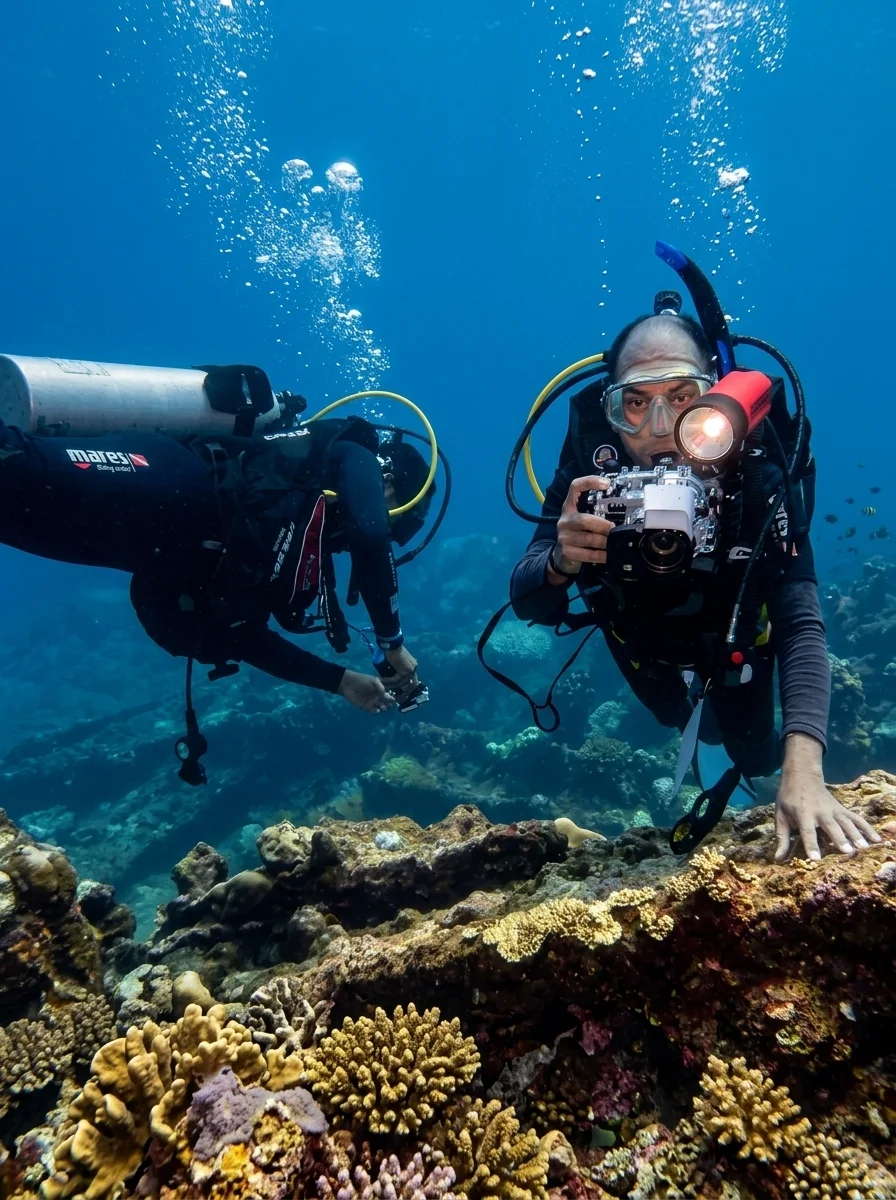 Academic Study
Undergraduate Research Excursions
Field assignments and ecological data collection along diverse shoreline habitats.
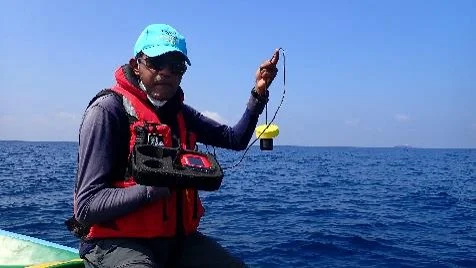 Field Assay
Laboratory Assays & Analysis
Water-quality assay equipment deployed and monitored during an on-water field session.
Virtual Dive: Interactive Underwater Simulations
An upcoming phase of Ocean Explorer will introduce virtual and augmented reality experiences: interactive virtual dives, underwater simulations, bathymetric walkthroughs, and close encounters with marine megafauna.
Upcoming Virtual Capabilities:
- 360° Photorealistic reef transect simulations
- Deep-water trench exploration beyond physical SCUBA limits
- Digital species tagging & acoustic signal deciphering
Collaborate With Us
Bring Ocean Explorer to your institution
Whether you are an academic department, research institute, or school science coordinator, we welcome joint initiatives, case study inquiries, and field collaborations.