About Sayura
The ocean connects us all
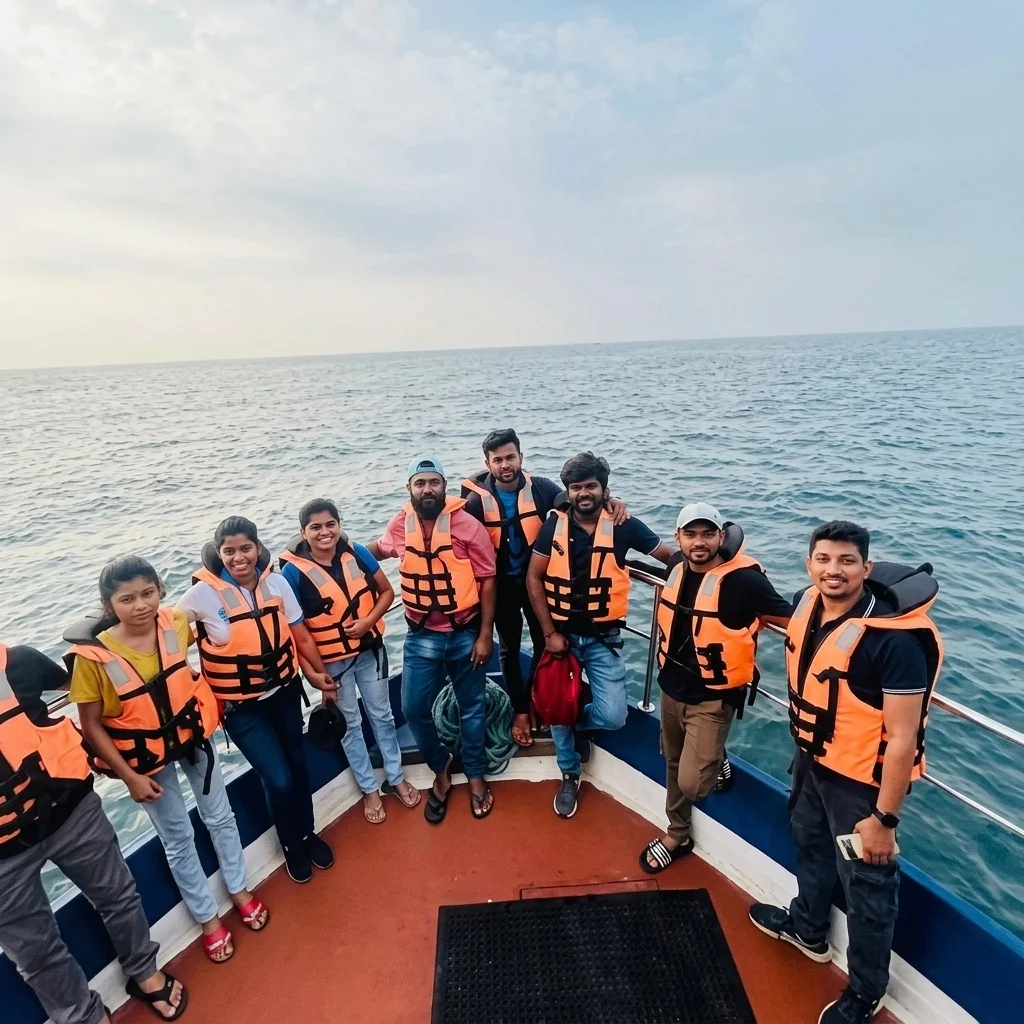
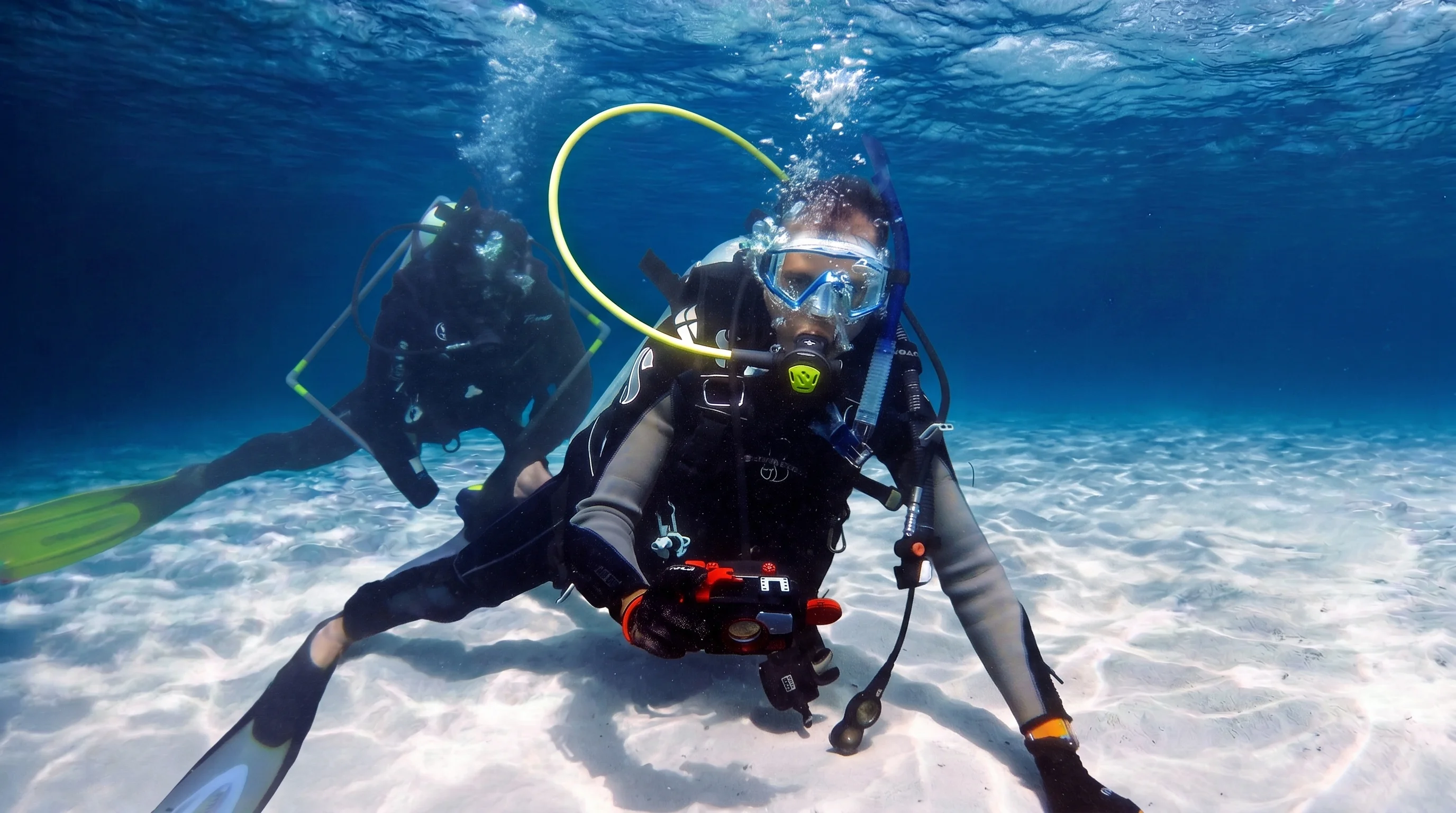
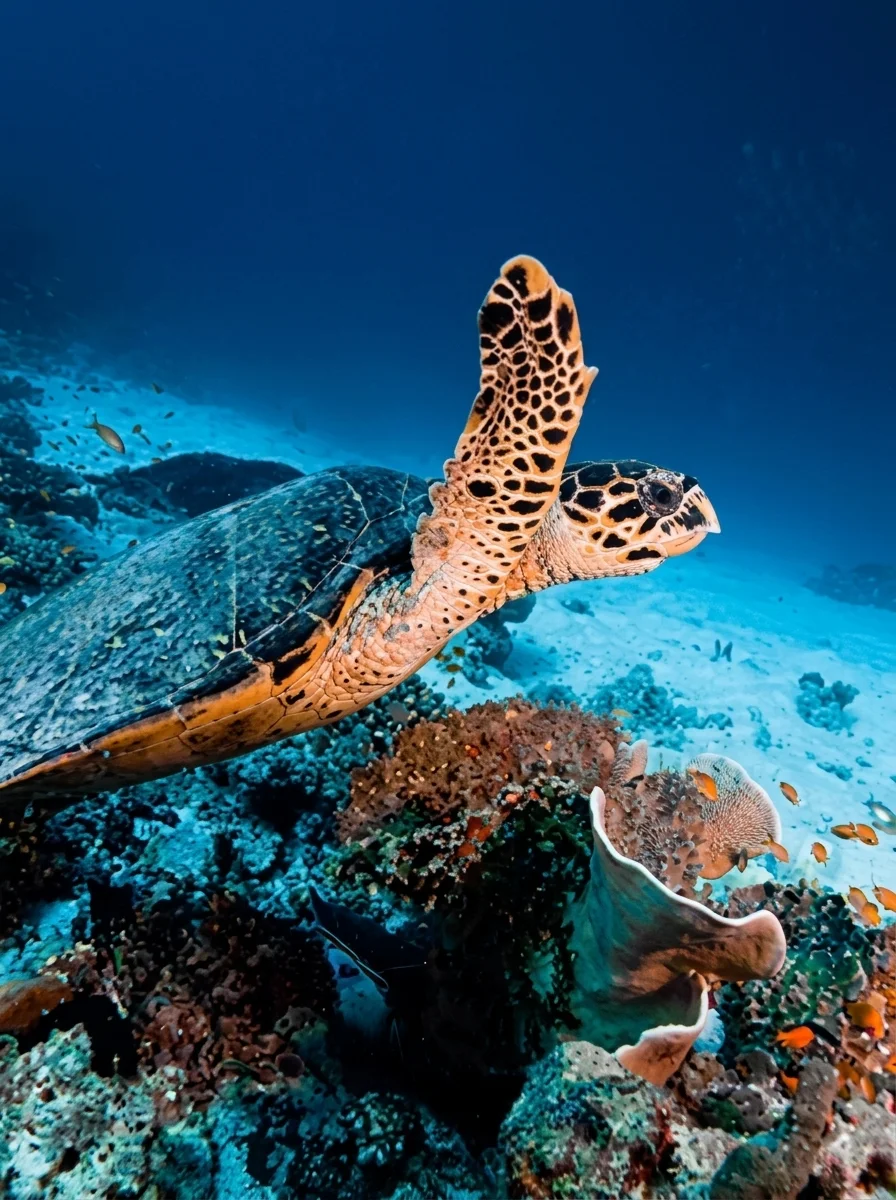
Who we are
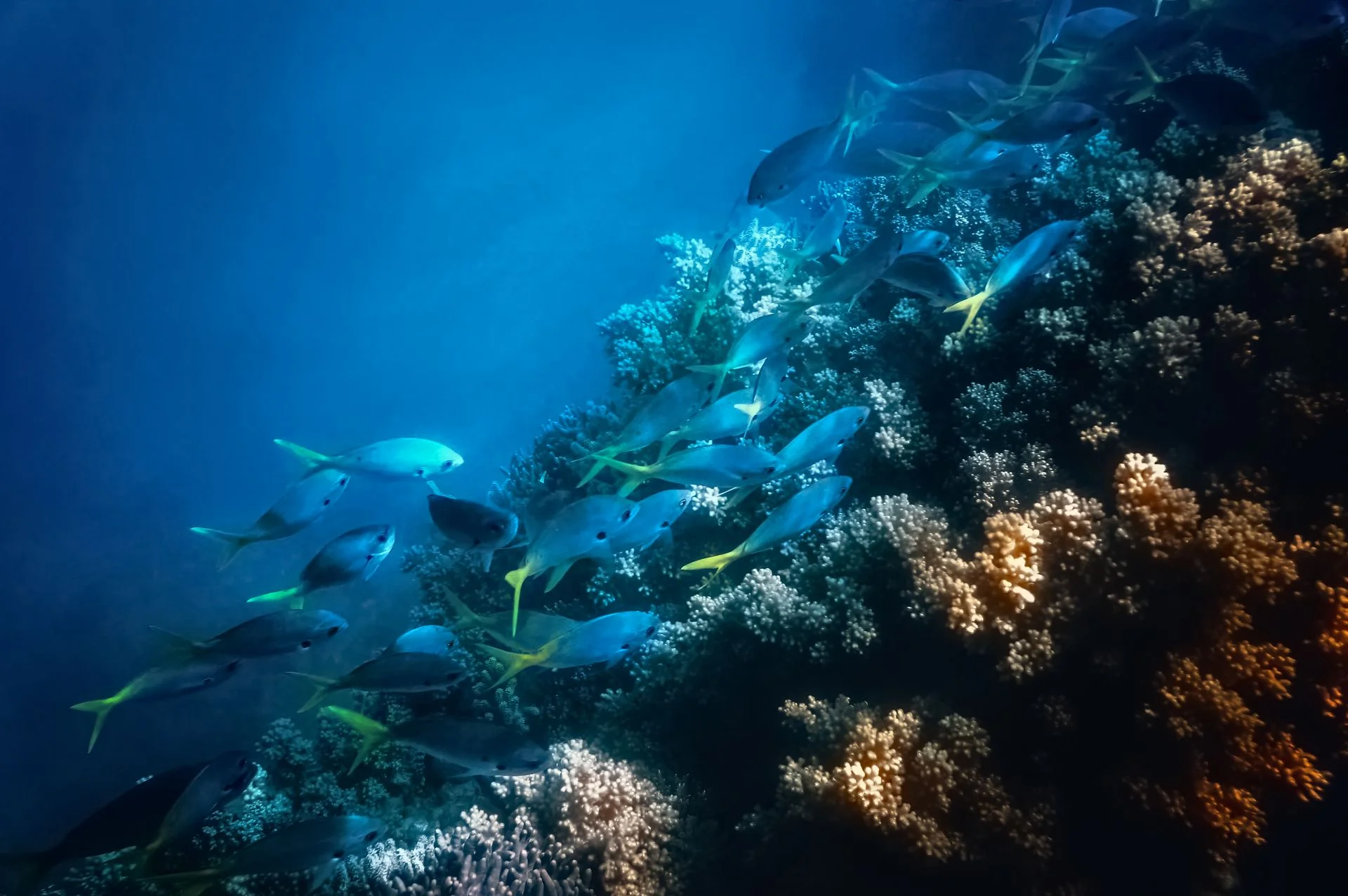
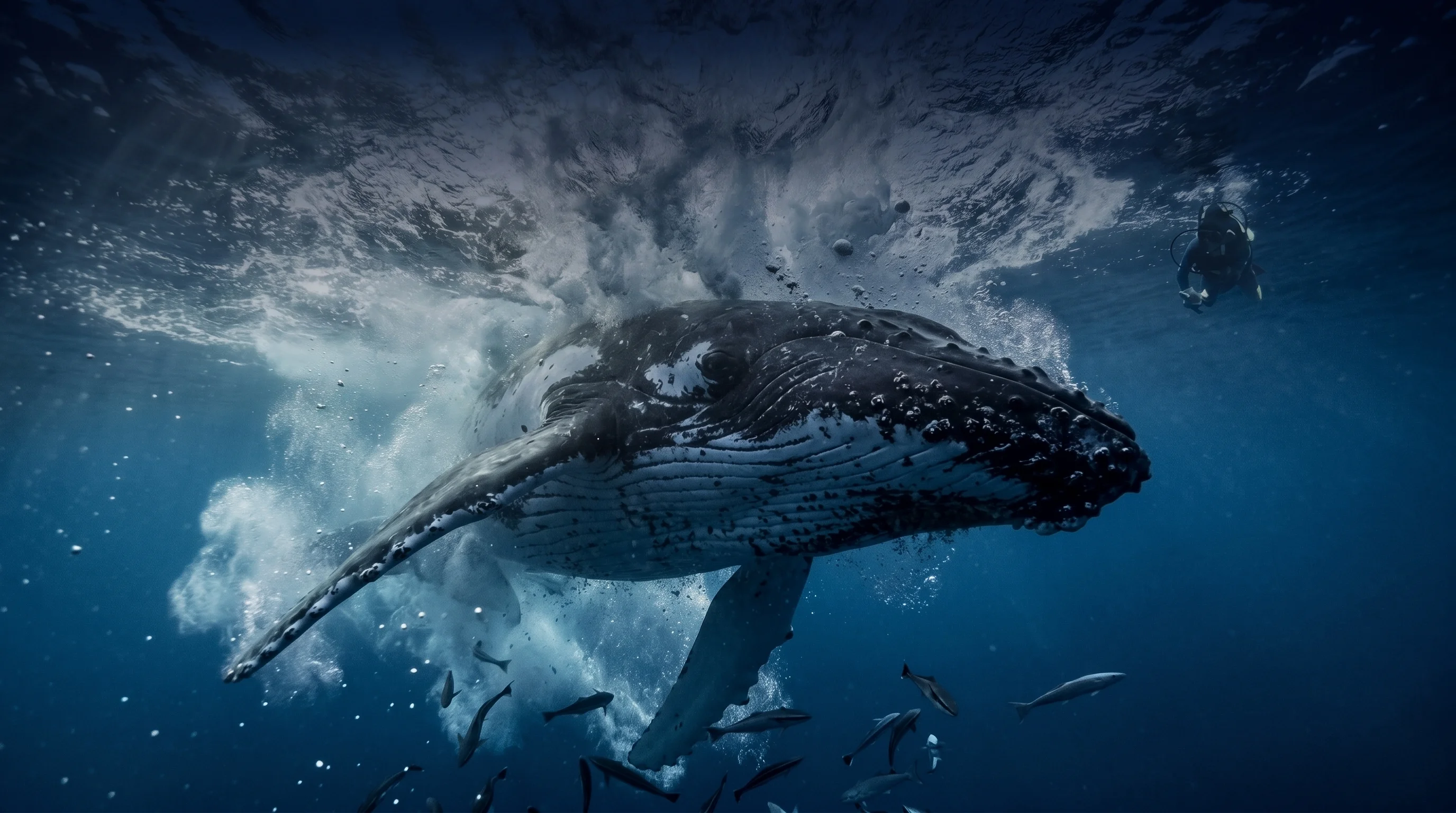
Sayura, the sea, brought closer. Sayura (සයුර) is the Sinhala word for "ocean." eSayura takes that name as its purpose: to bring the ocean, vast, largely unseen, and often misunderstood, a little closer to the people who live beside it.
Most of what happens beneath Sri Lanka's coastline stays there: in field notebooks, research papers, and the memory of the scientists who study it. eSayura exists to carry that knowledge outward, to students, teachers, policymakers, and anyone curious enough to look past the surface.
Our story
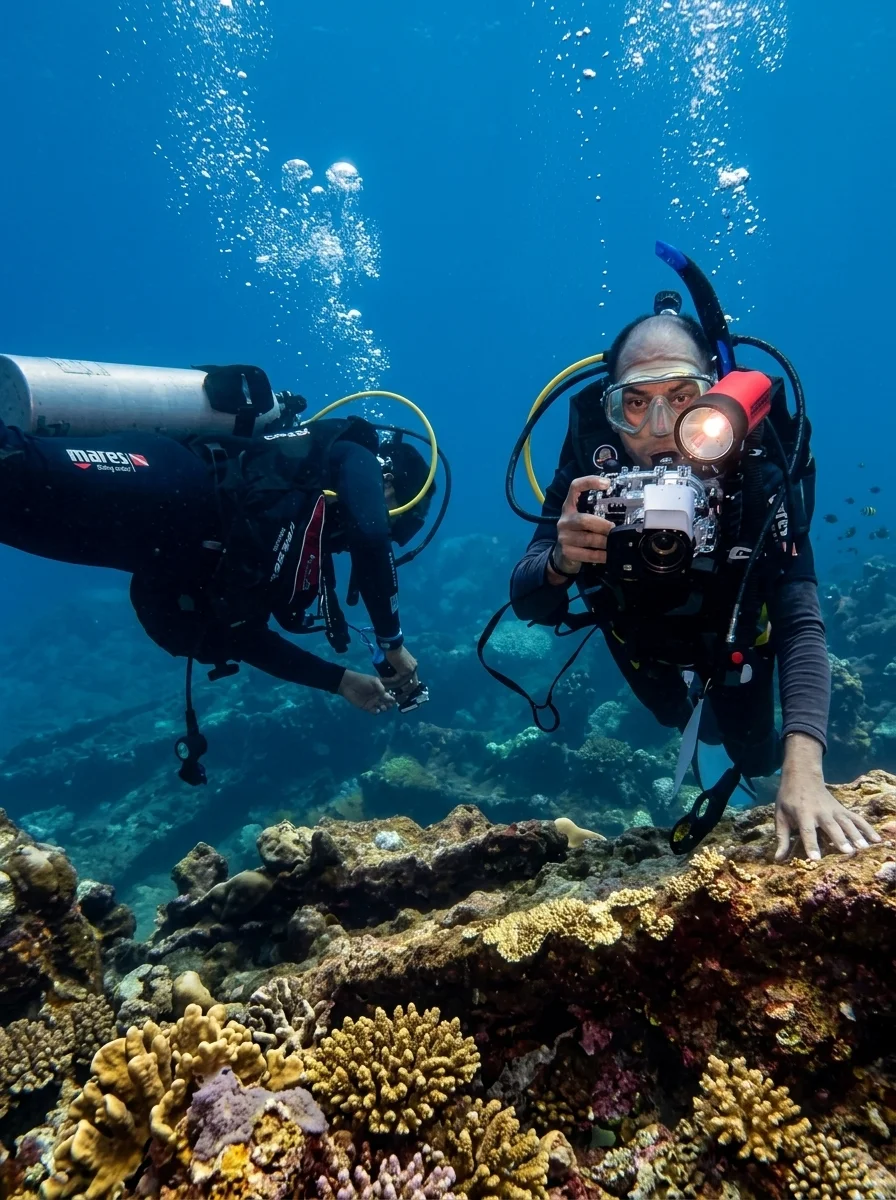
Sayura is built and maintained to make marine and coastal research from Sri Lanka legible to the people who need it, students, the public, and the policymakers who shape coastal management. Our research programme runs through the Centre for Marine Science and Technology (CMST) at the University of Sri Jayewardenepura.
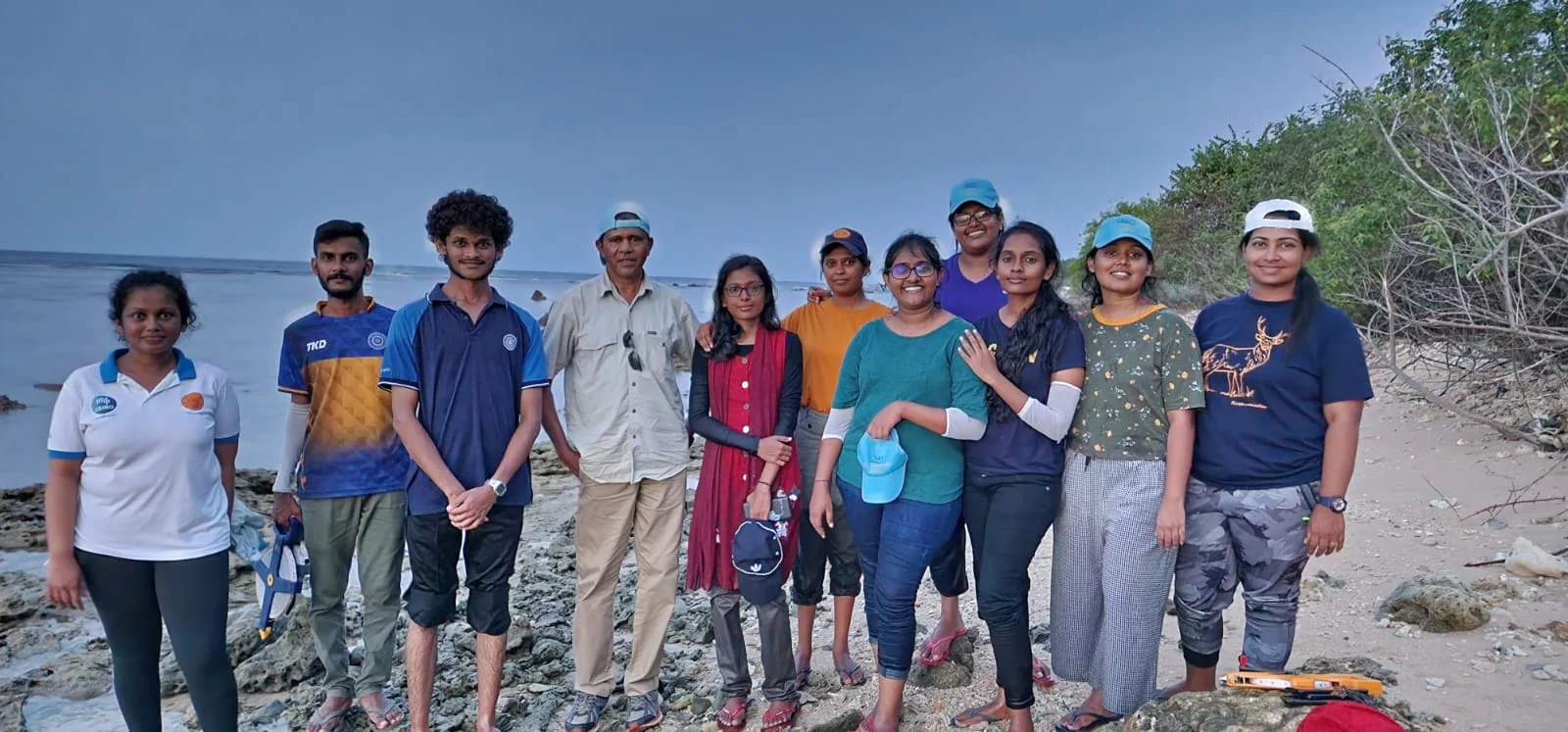
Leadership
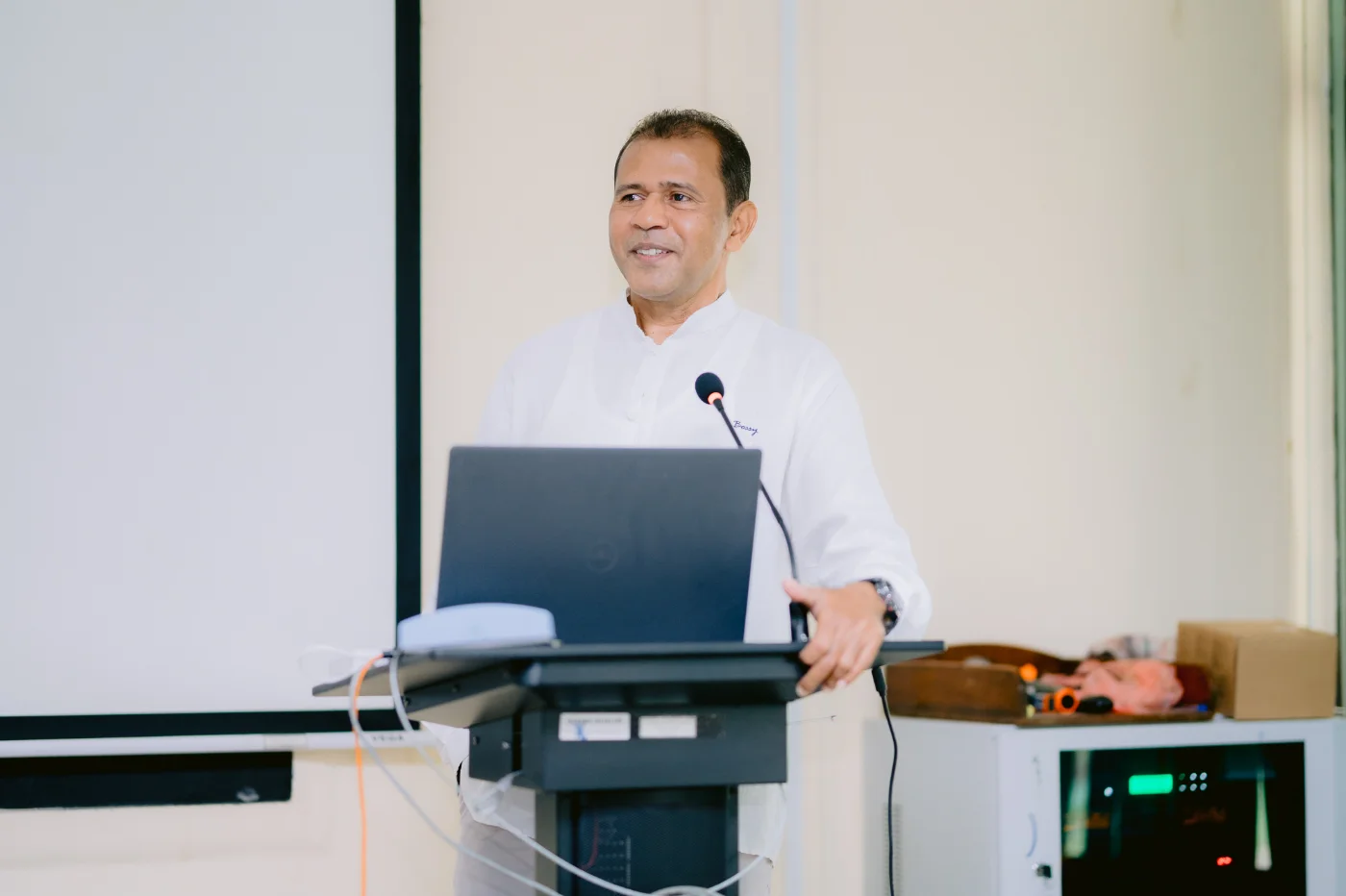
Prof. Kamal Ranatunga
Founder Director, Centre for Marine Science and Technology
Prof. Kamal Ranatunga is a marine ecologist and Founder Director of the Centre for Marine Science and Technology (CMST) at the University of Sri Jayewardenepura, where he previously served as Head of the Department of Zoology. He holds a B.Sc. Honours from the University of Sri Jayewardenepura and a Ph.D. in marine Biology from James Cook University, Australia.
His research spans marine bioinvasions and port biofouling, blue carbon ecosystems, coral reef ecology, and marine plastic pollution. His pilot work has shaped national understanding of how invasive species move through Sri Lankan waters.
Sayura grew out of a simple observation: decades of marine research in Sri Lanka rarely reaches the students, teachers and policymakers who could use it.
"A coastline understood well enough to be protected, by scientists, by students, and by the people who depend on it every day."
Discover. Learn. Participate.
Whether you are a researcher, a student, or simply someone who cares about the future of our oceans, there is a place for you here. Help us bring marine science to the surface.